El Piri 2026: Big adventure bikepacking in the Pyranees
Note: This is a human-written post based on personal experience with no affiliation to any companies or brands mentioned.
Many months ago my friend Brandon mentioned something about El Piri - this big bikepacking event in Spain. The first time he mentioned it, I don't think I was particularly keen.
I'd been training and racing gravel as my primary cycling focus, and bikepacking sounded all to different from what I was working towards. Then, at my A race in 2025, the Truckee Tahoe Gravel 100, my front rim exploded at the top of a small descent sending me flying into the ground, where I ended up breaking my shoulder socket. Rehab kept me off the bike for two boring months where my mind would wander in search of some other way to enjoy time on the bike that didn't require me to pin descents at race pace. El Piri!
El Piri Quick Facts
- ~500 miles (depending on course modifications)
- 60,000 feet of elevation
- Fully self supported
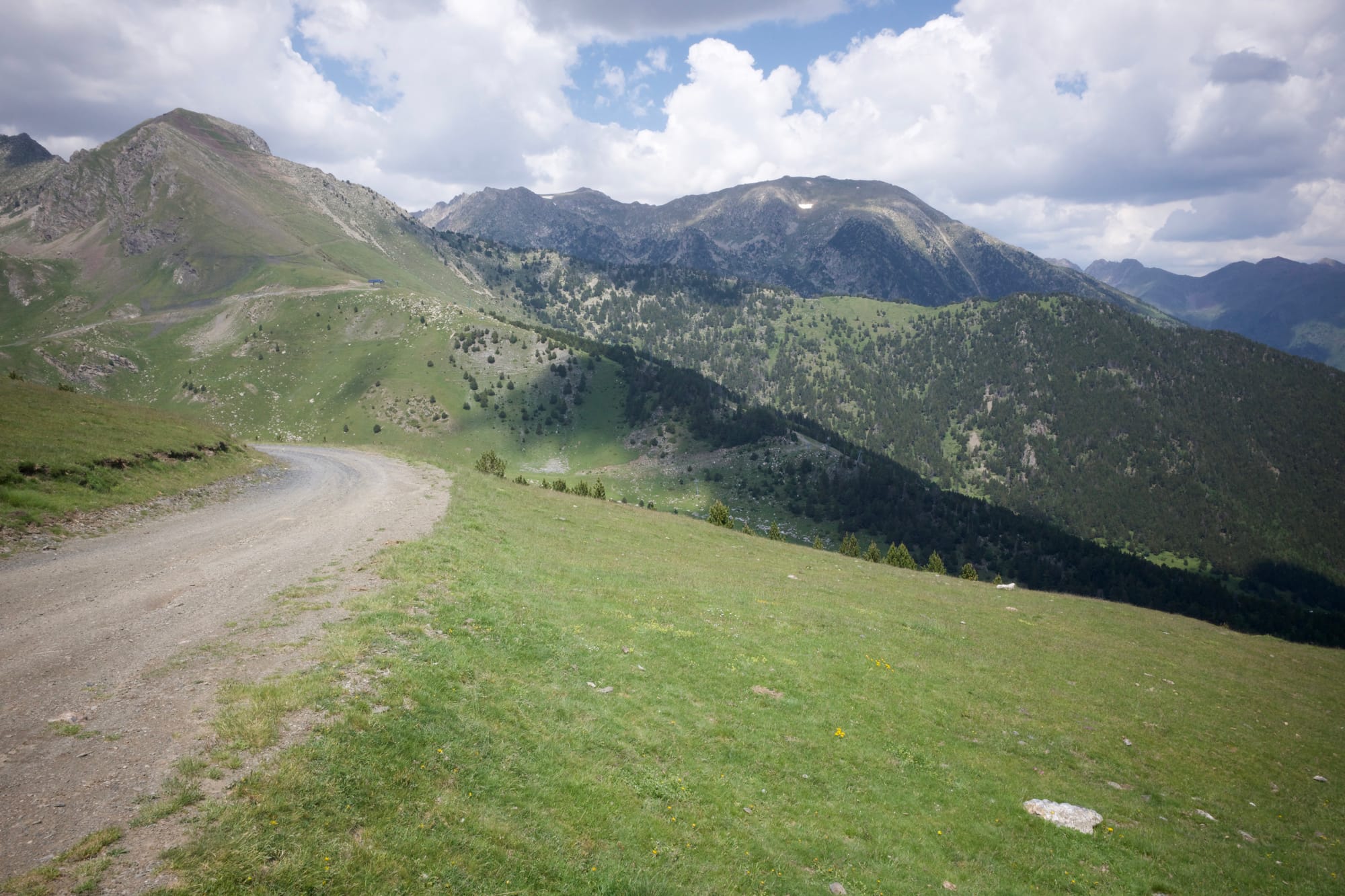
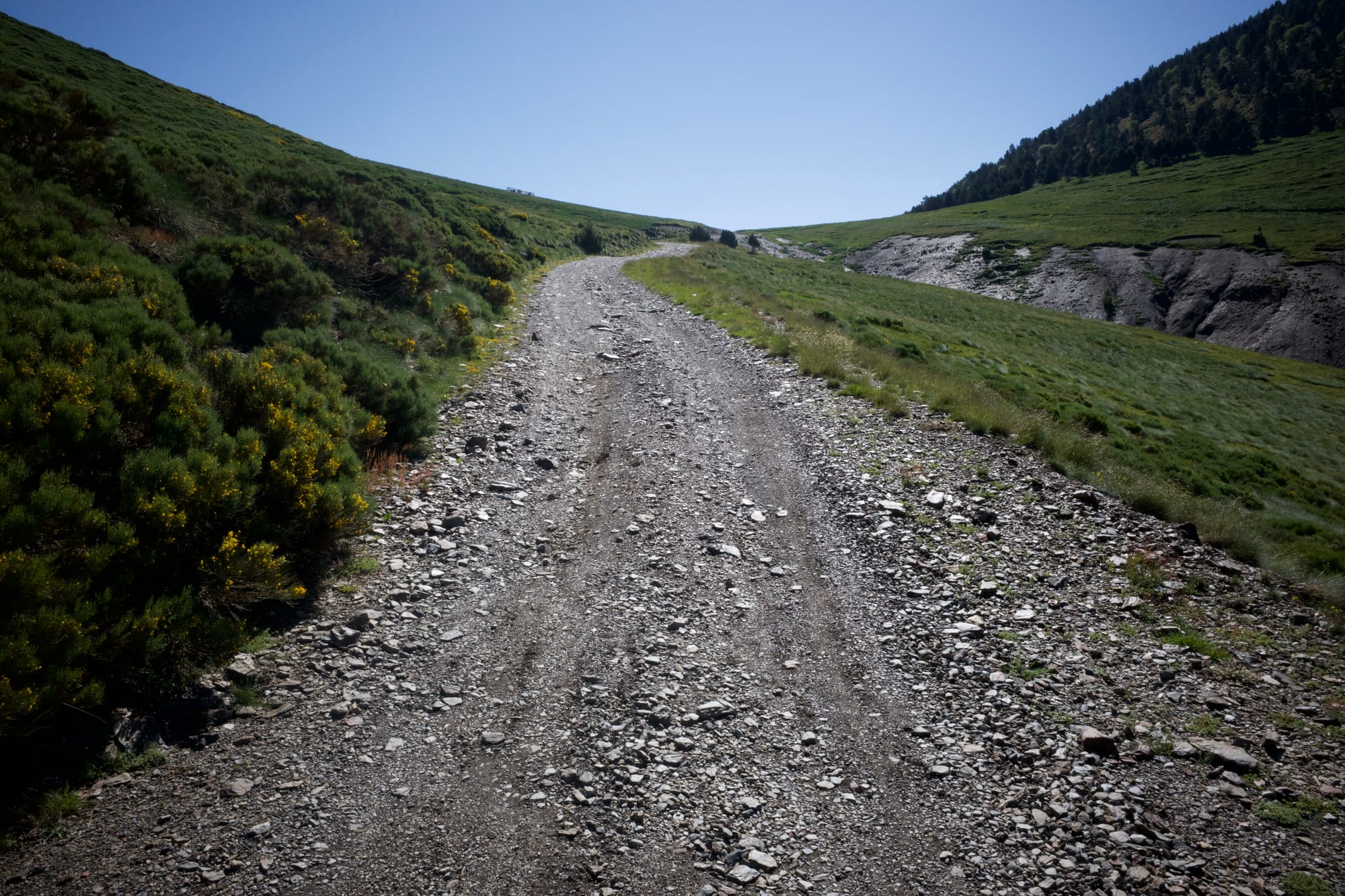
- Mostly on dirt, all through the Pyrenees primarily in Spain, including parts of Andorra and France
Bike Setup
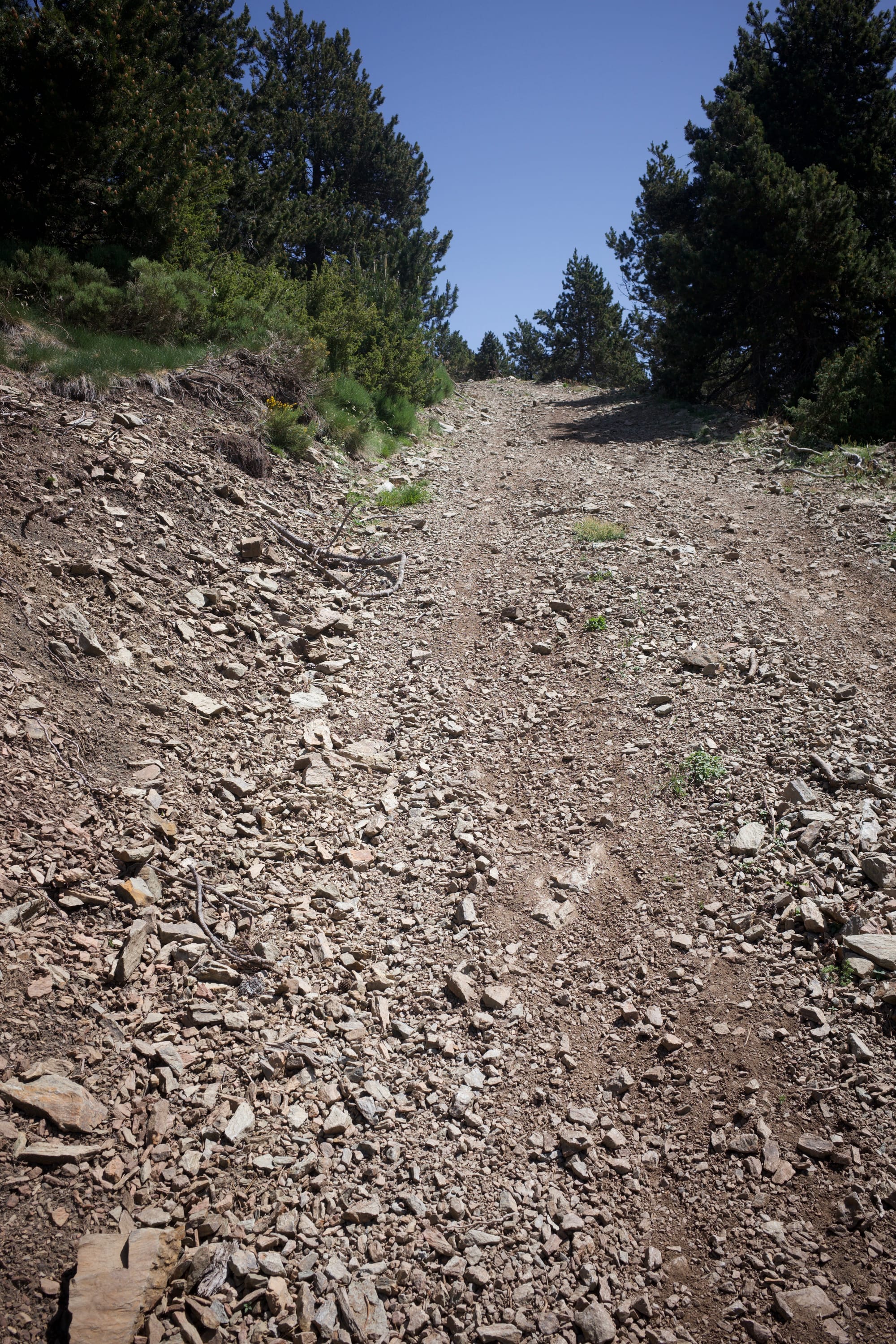
Climate change is nuking every trail in every country on every continent, which makes all routes rougher and more technical over time. With that in mind, I decided to stick with my Enve MOG on Zipp XPLR 303 wheels with Vittoria Peyote 2.1" mtb tires. Big chunky bois. For bags I ran the Tailfin CargoPack and rack, frame bag, top tube bag, and the Revelate Designs harness mounting a Sea to Summit dry bag. For hydration I wore a USWE 2L bladder pack and had 3 bottles on my bike for a max capacity of 4L.
Data, Pacing, and riding as a pair
Four of us from NorCal took part in this event and rode as two pairs. This felt like a gentler way into self supported bikepacking as we'd at least have a friendly face to say "holy shit!" to a hundred times a day.
My primary concern was just being able to finish this thing. The climbing numbers were insane, there looked to be some proper steep sections, and I had never ridden this far for this many days in a row. I aimed to ride this, not race it, in Z2 for as much as possible. Easy, sustainable, all-day endurance pace. Simple enough, right?
Months before the event, I thought I might want to skip wearing a heart rate monitor for this event. I would certainly enjoy seeing the data afterwards, but wearing a chest strap for a week in the extreme heat, under my bladder pack, sounded horrible. Then, on a loaded shakeout ride the day before the event, my power meter battery died. Replacing it didn't work (that child-proof coating is a real bummer), and while I could have cleaned and fixed it, I started to think that not having data could be an advantage. If I skipped both the HRM and the power meter, I could only ride by feel, and that felt exactly right for this trip. And so it was.
Riding as a pair was something seemingly each pair did a little differently. There are a lot of aspects of a long ride like this that make staying glued together the whole time really challenging. People warm up at different rates, have different energies throughout the day, climb and descend at different paces, need breaks at different times, spend different amounts of time taking breaks, may need more or less time re-checking the route, the weather, their bike, and on and on. What worked best for us, was to start the day together, ride at our own pace pretty much the whole day, and communicate as best we could about where we'd end up each night, and regroup. This meant we could both ride at our own pace, where nobody felt rushed or slowed down, and we managed the most challenging logistics of lodging, resupply, etc. together. Best of both worlds. YMMV.
Fueling and Resupply
"Resupply" is what bikepackers (and thru-hikers) call the act of acquiring the hydration and nutrition you need to keep going. A resupply stop look like you catching a corner store as you ride through a small town where you run in and grab as much goodies as you need, pack it all up somewhere, hop back on your bike and keep going.
These big long days on a loaded bike mean I'm likely to burn 5-10k+ calories a day. What enables folks to complete ultra-endurance events, beyond general fitness, is hydration, fuel, and rest.
Finding 5-10k calories a day turned out to be the biggest challenge of the whole event.
The problem actually started on day 1. I had plenty of ride fuel and hydration for the first day's ride where we met our goal of 98 miles, climbing over 11k feet to a refugi. For a remote refugi managing 100 bikepackers stuffing ourselves into every corner of this gorgeous wooden relic, they did a fine job serving us a perfectly tasty dinner. The problem hit within the first 30 minutes of the second day -- we hadn't eaten enough. I knew immediately I was likely in a several thousand calorie deficit after that first day. I had ride fuel and hydration, but that wasn't going to help me get out of this hole. And we had a lot of climbing to do.
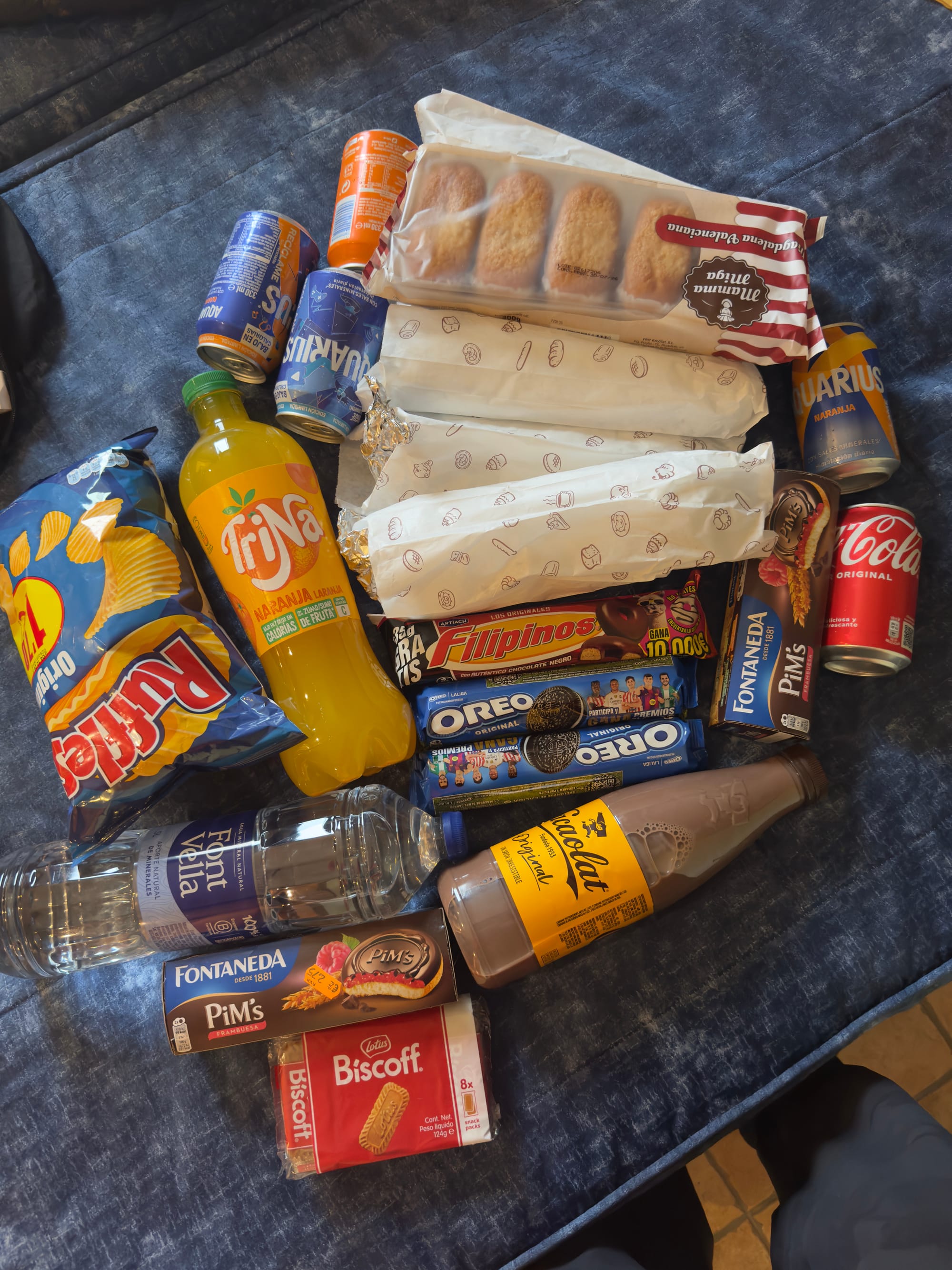
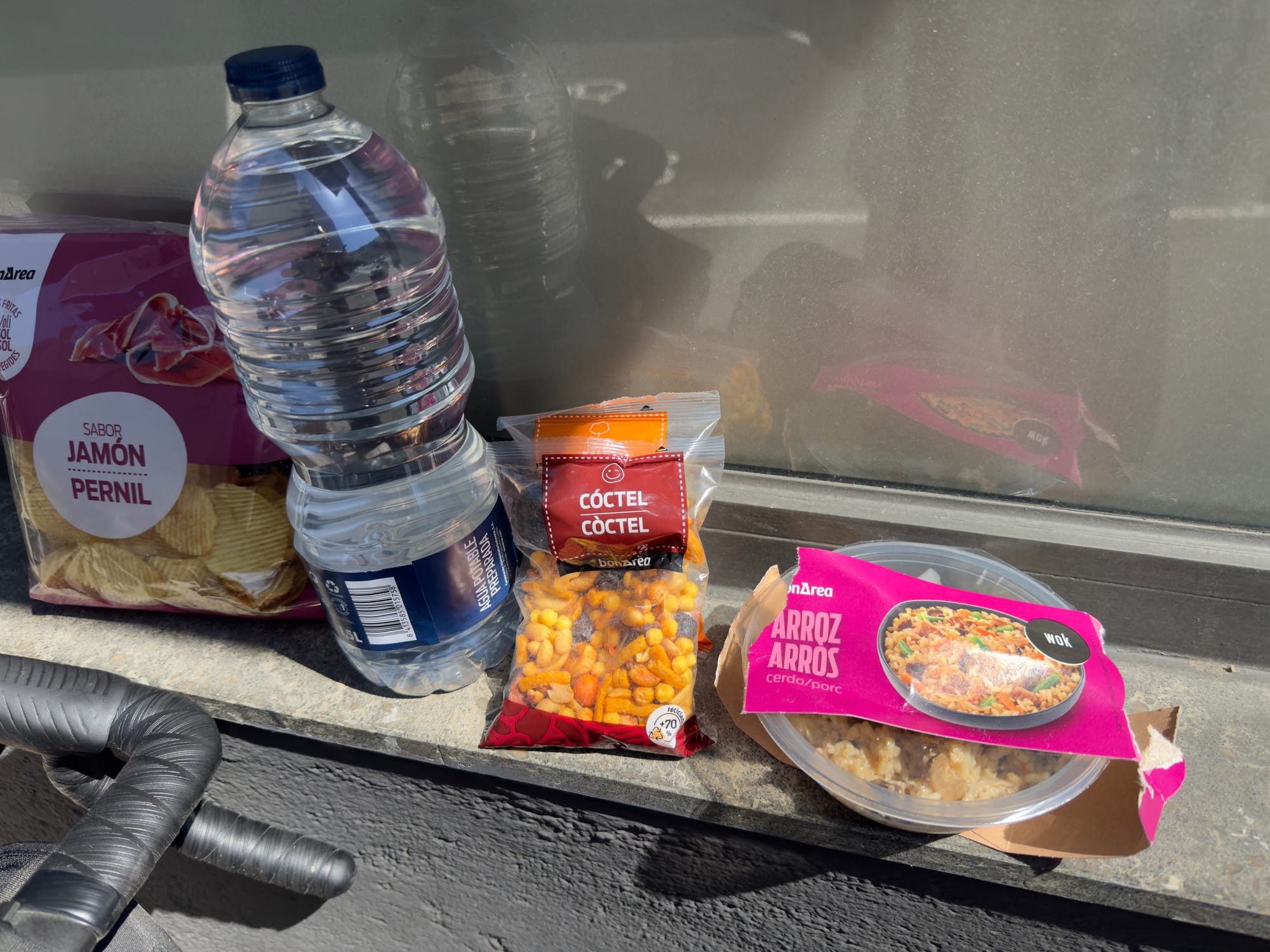
We hit a small shop on night two where I proceeded to buy more junk food than an ambitious 12 year old could consume on Halloween. Look at this beautiful assortment of calories – we're back on track baby!
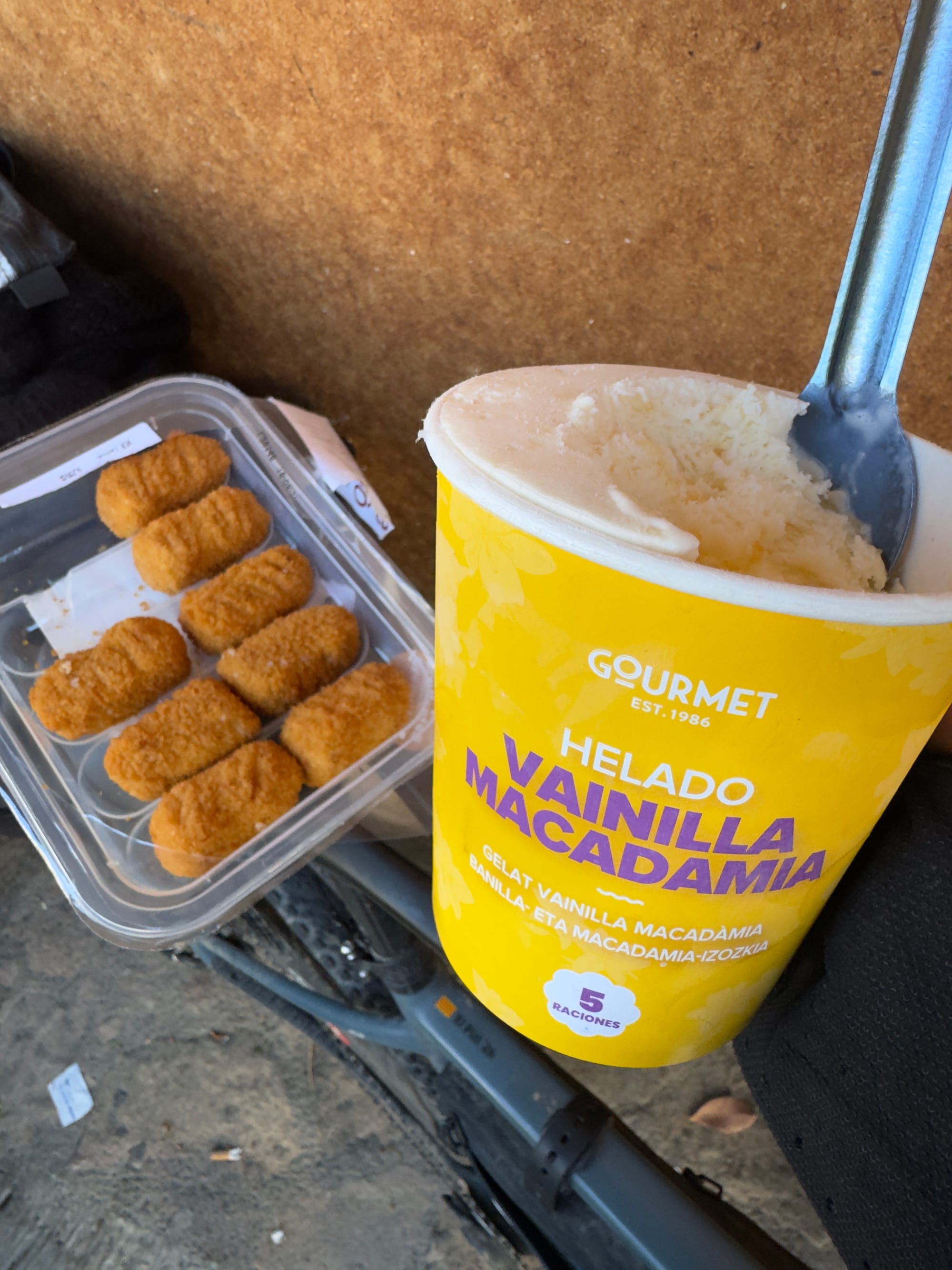
Here are some other resupply shots to give you an idea of the questionable life choices I've made:
Great Gear
Instead of tiresome lighterpack lists, here are some things I brought on this trip that I think were truly great:
Ornot UV Hooded Trail Shirt
I wore this long-sleeve loose-fitting UV protective shirt instead of a jersey, and I wore it every single day. For centuries, communities that live among intense sun exposure in the desert all wear long loose-fitting clothing. The sun isn't just hot, it sucks the moisture out of your body through your skin. Sunscreen is incredibly annoying to constantly re-apply and it makes your hands slippery, which is terrible for grip. I really can't imagine wearing anything else for trips like this. A keeper.
Pirelli Peyote 2.1" MTB Tires
These trails were ROUGH and descending steep rocky trails at speed, while fully loaded, was quite the tire torture test, and yet these tires were flawless. Great grip, supple enough to keep me comfy despite the terrain, and sturdy enough to inspire confidence no matter where the route took us. They were plenty fast on some ripping twisty road sections, too. Great tires.
Coros Dura
This device is sort of a one-trick pony in that the only truly positive feature is that the battery lasts forever. What really makes this a great piece of gear however, is that the navigation actually worked flawlessly, despite the distance, massive number of POIs, mix of roads, official trails, and sometimes hand-drawn deer tracks. Many people using Garmin devices had catastrophic failures during the event where their head unit would just constantly crash. It didn't happen on Day 1, but started showing up by Day 3 or so. Same for Hammerhead devices. Real bummer. Long battery life and bulletproof navigation makes the Dura a keeper.
Everything Tailfin
The most elegantly designed, thoughtful, durable, stable, flexible, and reliable products I've ever used. Tailfin does not miss. At all. The abuse these racks and bags took on this trip seems far beyond what many racks could handle, especially on rigid bikes. Most folks at this event ran some number of Tailfin products and there was nothing but songs of praises for them all.
USWE Packs
I've used USWE packs for well over a decade now and I'm still a huge fan. They stay securely on, have lots of fit adjustments for the perfect ride feel, and are easier to drink out of than bottles on technical terrain. My only nit is that I personally wish they all had hose hooks instead of magnets for attachment. I keep moving my old hose hooks across to newer packs since it's much easier to perfectly stow away your hose with the hook instead of hoping the magnet works out.
Albion Zoa Rain Shell
Like Tailfin, this is a product that may seem simple, but when you use it, you start to notice all the tiny details that make this the best solution for bikepacking specifically. The way the cuffs work, the hood size and shape (fits great over a helmet while somehow not dragging you down in the wind), the fit, even with warm layers underneath. I thought I might wish this had pit zips, but in practice it can vent well out the top and the solid exterior makes for a truly waterproof layer. This is a winner. Even in hail. Spend some time on their size chart, though. I typically wear a size Large cycling jersey, and I got this jacket in Medium and it has plenty of room to wear a thick warm layer underneath.
Zpacks Ultralight Camp Shoes
These are the ugliest footwear artifacts on earth and I still think you need a pair. They weigh absolutely nothing, and can be stored in a shadow. They wont protect your feet from a tiny stone, and you can probably feel a pine needle through the soles, BUT -- if you need to run into a shop or restaurant at the end of the day while your bike shoes are airing out, these do the trick perfectly. Don't be that person at the hotel barefoot trying to get dinner in the lounge. Wear these ugly ass "shoes" instead.
Ornot Micro Musette Bag
Speaking of resupply, sometimes your bike is in one place and the store is way over there and you gotta hold your gummy bears and ice cream and Gatorade while you walk around the aisles and back to your spot for the night. This lil cutie is the size of a tic tac box and looks dashing on you no matter how full you stuff it. Get one.
Sleep Options at El Piri
If I were to do El Piri again I would nix my entire sleep system and just stay in hotels. I really wanted to camp out in the Pyranees and had a phenomenal sleep system ready for anything. If I were racing the event, I would ride until my body gave out, deep into the night, and bivy down wherever seemed convenient. That's not really camping, that's just urgent rest and I'm sure you could do that mostly anywhere on route. If you have visions of a beautiful flat grassy camp spot where you wake up to a gorgeous sunrise, I'm not sure you'll magically stumble on that spot at a time that suits you. There are a few refugi-esque buildings on route that to stay in would require a sleep system, so it's certainly not impossible to have that experience, but you really need to want it. We ended up staying in hotels each night after the refugi on the first night.
Be Prepared and Be Adaptible
I was a little surprised to learn that some folks who rode El Piri were more hopeful than prepared in terms of self-supported supplies. Not bringing a first aid kit with some pain relief and related meds, spare cleats, tire plugs, and all the other essentials seems like a good way to have a bad time. Some of the DNFs came from folks who weren't sufficiently prepared.
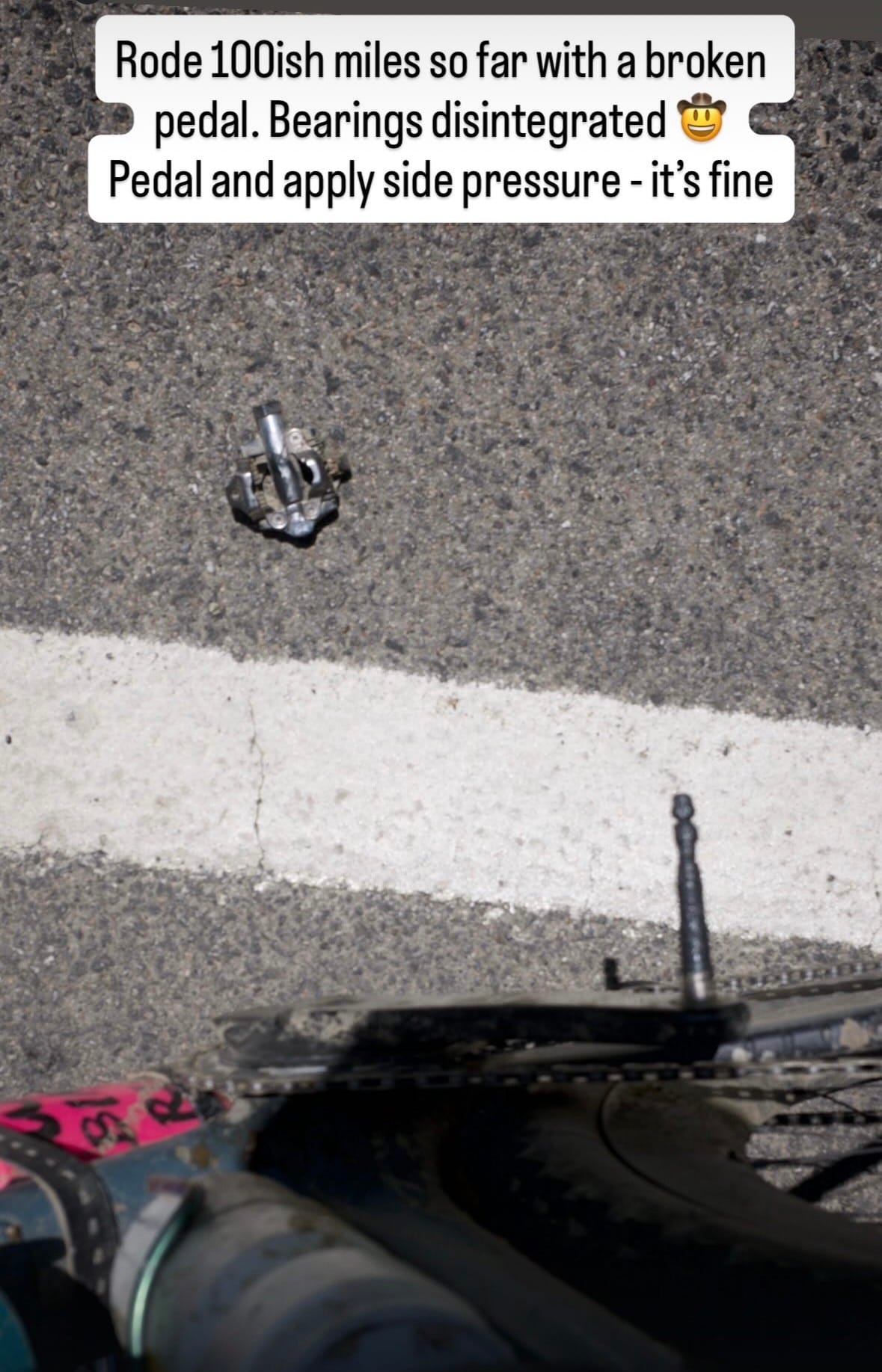
But you can't prepare for everything. About 150 miles before the finish, my right pedal started making really loud clicking sounds. At first I thought it was a bottom bracket issue, and despite a half hour of attempted diagnostics, I couldn't seem to make the sound go away. So I put headphones in and pretended it wasn't happening. Until the pedal literally fell off the spindle lol. Oops. The bearings inside the pedal body were completely destroyed, and the pedal just loosely slid on and off the bare, tapered spindle.
I had a flashback to when Pete Stetina broke his wrist in the first mile at Sea Otter in '22 and finished the race. He said in the World Tour peloton, the instructions to every rider is simple -- if it is at ALL possible to keep riding, you must keep riding. Noted, Pete. So I slid the pedal body back onto the spindle, keeping it roughly in place since it was clipped to my riding shoes, and just... kept riding. Given the gnarly terrain, elevation, and weather during this week, having a broken pedal for 150 miles probably isn't even in the top 10 of challenges. And so it goes. Improvise and keep going.
The ride, by the numbers
Firstly, some group stats:
- Total riders: 148
- Finishers: 102 (68.9%)
- DNF: 36 (24.3%)
- DNS: 10 (6.8%)
I finished in just about exactly 54h of ride time spread across 7 days.
I had roughly targeted 5ish days, but with some weather challenges and just the sheer intensity of the riding, a 7 day finish felt much more manageable, with a good sleep each night in a hotel.
Day 1, 98.06 mi, 11,243ft, 9:50:58. A big opening push west out of Girona, rolling from the Fontajau district across the Catalan pre-Pyrenees to finish with a climb up to a mountain refuge above Castell de l'Areny in the Berguedà.
Day 2, 36.30mi, 5,915ft, 4:51:57. A slow, storm-hammered loop into the Parc Natural del Cadí-Moixeró beneath the Pedraforca massif, cresting a ~1,910 m (6,260 ft) col near Saldes before dropping into Gósol as thunder and hail rolled in.
Day 3, 75.29mi, 9,278ft, 8:06:45. Possibly my favorite day. Out of Gósol over an early 1,830 m (6,000 ft) col still inside the Cadí-Moixeró park, then a long, remote traverse west through the Pallars Jussà down to la Pobla de Segur.
Day 4, 68.54mi, 7,864ft, 7:18:05. One endless climb to a 2,275 m (7,465 ft) pass in the high country above Rialp, then north up the Vall d'Àneu past València d'Àneu before a post-checkpoint thunderstorm chased us down to Llavorsí in the Pallars Sobirà.
Day 5, 69.61mi, 11,145ft, 9:23:56. The biggest climbing day. From Llavorsí up across the Andorran border through the southern Sant Julià de Lòria parish (Aixovall, Nagol), then back into Spain over a 2,195 m (7,200 ft) col above el Pont de Bar to finish at Martinet in the Cerdanya.
Day 6, 76.32mi, 9,386ft, 9:26:40. Out of the Cerdanya with a brief dip into France at Osséja (Pyrénées-Orientales), then over a ~2,200 m (7,225 ft) col and the long way down through the Ripollès toward Camprodon.
Day 7, 53.03mi, 4,183ft, 5:09:34. The finale. Down from the Camprodon hills through the Ripollès and back into Girona, finishing in the old town at el Mercadal.
Final Thoughts
Do the big thing. Pick the challenge that seems a bit beyond. Go for the uncertain thing. Go big. Prepare yourself, but prepare to learn, too. Figure it out. Stay stoked.
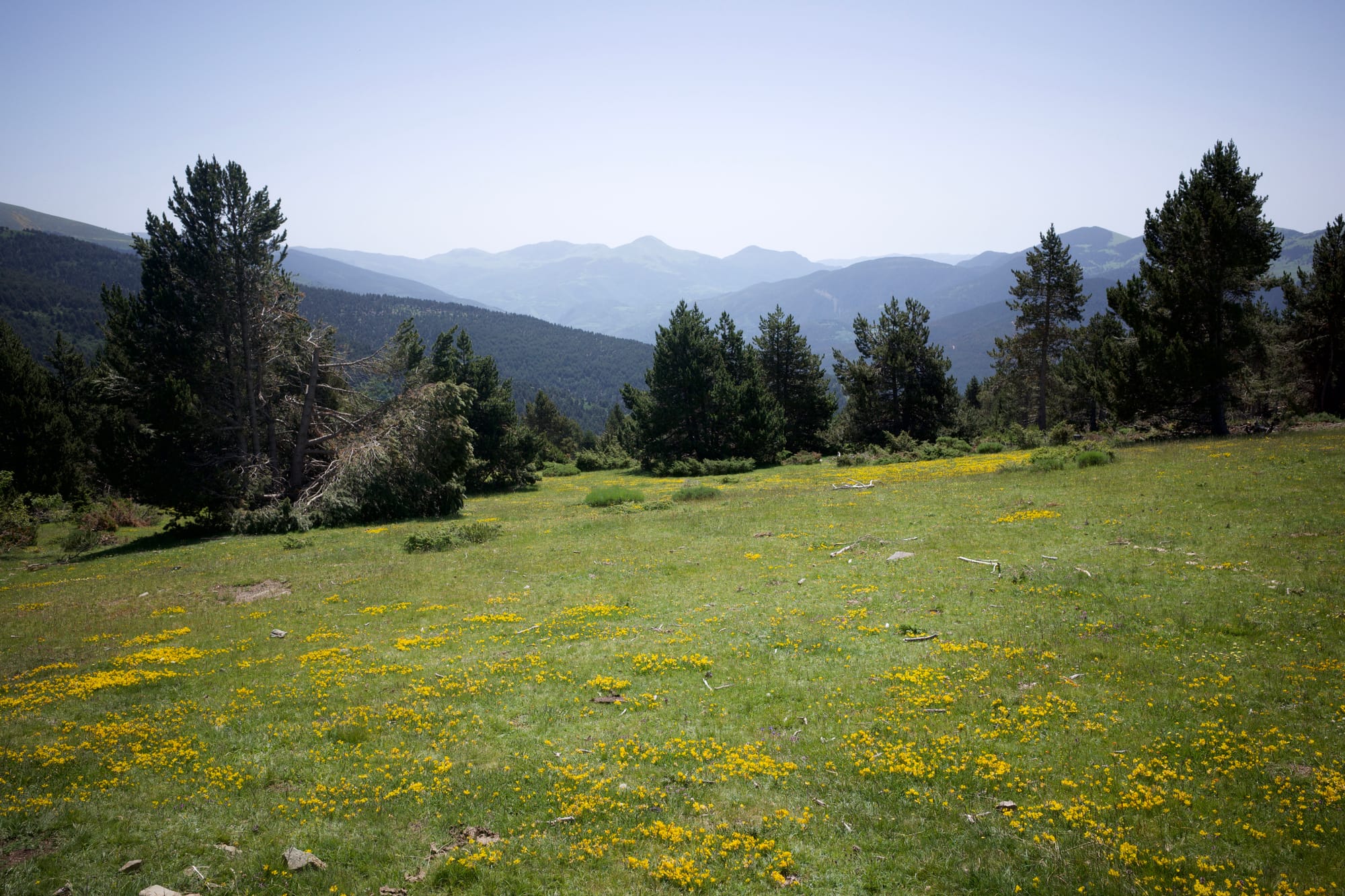
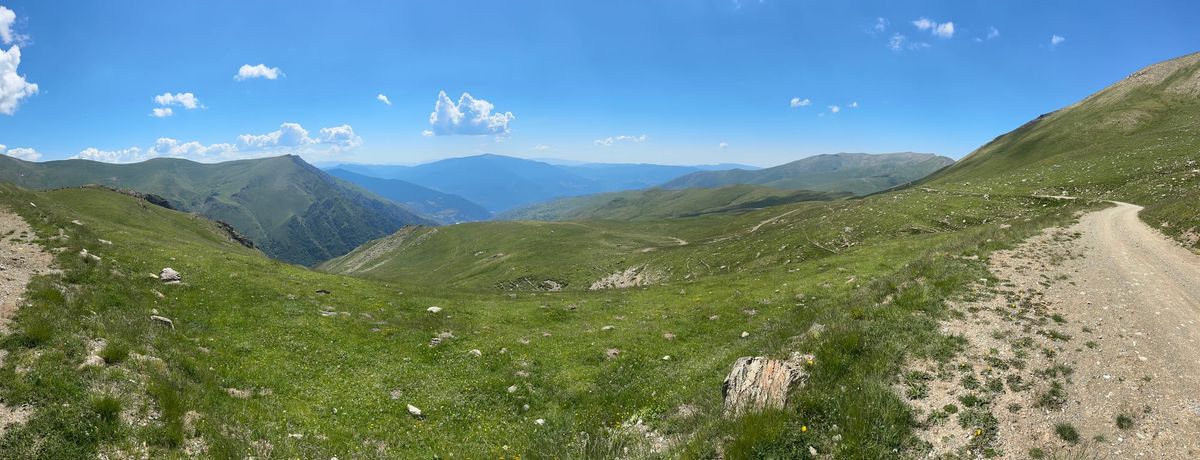
A visual taste of El Piri